
- Your cart is empty
- Continue shopping
-
 Pixis Visibility Service
 - Posted on
- Categories:Uncategorized
- 0 comments

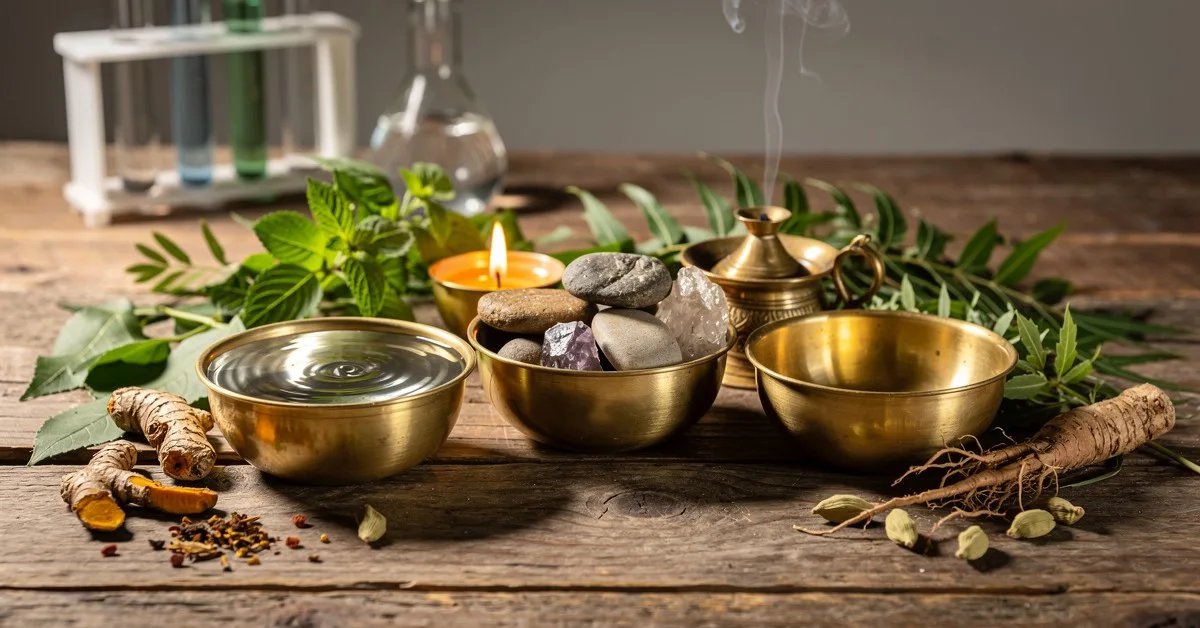
Are Panchgavya-based products scientifically proven to be effective? This question sits at the intersection of ancient Ayurvedic wisdom and modern clinical research. Health-conscious consumers and researchers are looking closely at these traditional remedies. At Goseva, we believe deeply in transparency and evidence-based wellness. We explore this topic with profound respect for our heritage and a commitment to scientific rigor.
Panchgavya has served as a foundational pillar of Ayurvedic medicine for thousands of years. Today, the scientific community continues to investigate its historical claims. Understanding the current state of this research helps you make informed decisions about incorporating these traditional wellness products into your daily routine.
Introduction to Panchgavya and Traditional Uses in Ayurveda
Panchgavya is a revered Ayurvedic formulation composed of five distinct cow-derived elements. These include cow urine (Gomutra), cow dung (Gomaya), milk, curd, and ghee. Sourced specifically from indigenous breeds like the Gir cow, each component holds immense cultural and medicinal value. According to ancient texts, these elements work synergistically to promote holistic wellness.
Historically, practitioners have relied on Panchgavya for deep purification and natural healing. It helps maintain internal balance. The preparation of these components is an art form. We use time-honored methods passed down through generations of Ayurvedic healers. For instance, our ghee is crafted using the traditional Bilona method, preserving the vital therapeutic properties of every ingredient.
Within the Ayurvedic framework, these natural substances are highly valued for their diverse therapeutic properties. They offer gentle digestive support and promote radiant skin health. The traditional applications extend far beyond personal physical wellness to encompass agricultural vitality and environmental harmony, reflecting a truly holistic approach to health.
Current Scientific Status: Overview of Research Findings
The scientific status of Panchgavya-based products remains a highly active field of study. While preliminary in-vitro and animal studies show remarkable promise, comprehensive proof through large-scale human clinical trials is still limited. Translating complex natural synergies into standardized clinical data presents distinct challenges for modern researchers.
Current research points to incredibly promising potential across various health applications. However, the scientific community rightfully emphasizes the need for more rigorous validation. Bridging ancient traditional knowledge with modern evidence-based medicine requires careful investigation. Researchers must respect the holistic nature of Ayurveda while applying strict analytical methodologies.
We maintain a grounded view that honors our rich traditional wisdom while acknowledging the ongoing nature of scientific validation. This transparent approach guarantees that you receive accurate information about what is currently known and what remains under active investigation. We provide the facts, allowing the natural efficacy of our products to speak for themselves.
Documented Scientific Studies and Key Research Areas
Scientific research on Panchgavya has zeroed in on several key areas, particularly its antimicrobial and antifungal activity, as well as antibacterial properties. Laboratory studies published in respected peer-reviewed journals have documented extensive in-vitro evaluations of these specific properties. Researchers have observed how these natural formulations interact with various pathogens, noting significant inhibitory effects.
Antioxidant and immunomodulatory effects have also drawn considerable attention from the medical community. Preliminary findings suggest substantial potential benefits for overall cellular health and immune system support. Furthermore, extensive research has explored the fascinating bioenhancing properties of cow urine distillate, indicating it may amplify the efficacy of other therapeutic compounds.
Preliminary laboratory studies have even begun to examine potential anticancer properties associated with these traditional formulations. While these early findings are compelling, they require extensive further validation through strictly controlled human clinical trials. The scientific community continues to explore these complex areas with careful methodology and rigorous peer review.
Agricultural Applications of Panchgavya
Beyond personal human wellness, Panchgavya boasts highly significant applications in the agricultural sector. Farmers have long utilized it as a potent biofertilizer and a natural biopesticide. It also acts as an effective plant growth promoter. Scientific observations consistently indicate positive, measurable impacts on overall soil health, root nutrient uptake, and natural pest management.
Prominent institutions like the Indian Council of Agricultural Research (ICAR) have conducted extensive field trials to test these traditional farming methods. Their documented research demonstrates increased crop yields and improved plant resilience with Panchgavya-based treatments. These robust agricultural applications highlight the incredible versatility of Panchgavya.
The widespread use of Panchgavya in agriculture aligns perfectly with modern sustainable farming practices. It prioritizes long-term environmental health and reduces reliance on harsh synthetic inputs. This practical application beautifully demonstrates how traditional knowledge can directly contribute to solving pressing modern agricultural challenges while empowering rural gosalas.
Limitations and Challenges in Scientific Validation
Several critical limitations currently hinder the establishment of definitive scientific proof for Panchgavya products. The most significant hurdle facing researchers today is the urgent need for more rigorous, large-scale human clinical trials. While laboratory studies provide an excellent foundation, human biology introduces countless variables that must be carefully controlled.
Standardization of Panchgavya formulations presents another major hurdle. Variations in preparation methods and cow breeds can significantly affect the consistency of the final product. Creating a uniform baseline for testing is incredibly difficult. Additionally, comprehensive toxicity profiling remains an ongoing area of critical research to satisfy modern regulatory requirements.
Isolating specific active compounds from complex natural mixtures adds another layer of immense complexity to scientific analysis. Ayurveda relies on the synergy of whole ingredients working together, whereas modern pharmacology prefers to isolate single active molecules. These fundamental differences make it difficult to conclusively prove efficacy using standard laboratory protocols.
Regulatory and Official Positions on Panchgavya
Governmental bodies and major research institutions in India maintain highly supportive yet appropriately cautious positions regarding Panchgavya. The Ministry of AYUSH plays a central, guiding role in this landscape. They actively promote the preservation of traditional medicine while simultaneously encouraging rigorous scientific research to meet global scientific standards.
Major national initiatives like the AYUSH Research Portal, DHARA, and SVAROP clearly demonstrate a strong government commitment to studying these traditional formulations. These well-funded programs primarily support ongoing academic research rather than endorsing all traditional claims unconditionally, providing structured frameworks for scientists to investigate cow-derived products systematically.
The Government of India formally recognizes the deep cultural significance and potential health value of Panchgavya. At the same time, regulatory bodies work hard to maintain strict standards for public safety and product efficacy. This carefully balanced approach allows for continued scientific exploration while fiercely protecting consumer interests.
The Path Forward for Panchgavya Research
The accumulating scientific evidence for Panchgavya-based products represents a fascinating intersection of ancient tradition and modern research. While centuries of traditional knowledge suggest immense healing potential, robust scientific proof for many specific claims is still emerging through ongoing clinical studies. The progress we see today is incredibly encouraging.
We strongly emphasize the ongoing need for well-designed, peer-reviewed research to establish efficacy and safety definitively. This unwavering commitment to evidence-based wellness means you can make highly informed decisions about your personal health choices. We want our community to feel empowered by knowledge.
At Goseva, we will always continue to support rigorous scientific research while proudly offering authentic, traditionally prepared Ayurvedic products. Our deep commitment to transparency helps build lasting trust with consumers who are actively seeking natural wellness solutions. We stand by the heritage of our Gaushala and our Gir cow ingredients.
Frequently Asked Questions
What are the five main components of traditional Panchgavya?
Panchgavya is a traditional Ayurvedic formulation made from five specific cow-derived products: cow urine (Gomutra), cow dung (Gomaya), milk, curd, and ghee. Practitioners carefully combine these natural elements to create powerful remedies and holistic wellness products designed to balance the body.
Is there scientific evidence supporting cow urine (Gomutra) benefits?
Preliminary scientific studies, primarily utilizing in-vitro and animal models, suggest that cow urine distillate may possess notable antimicrobial and antioxidant properties, alongside notable bioenhancing effects. However, researchers still need to conduct large-scale human clinical trials to definitively prove its efficacy for treating specific health conditions.
How does Panchgavya work as a biofertilizer in agriculture?
In agriculture, farmers use Panchgavya as a highly effective organic biofertilizer and natural biopesticide. Extensive research by institutions like the Indian Council of Agricultural Research (ICAR) indicates that it can dramatically improve soil health and enhance root nutrient uptake, ultimately increasing overall crop yields.
Are Panchgavya-based Ayurvedic products safe for daily use?
When sourced from reputable manufacturers who strictly follow traditional Ayurvedic preparation methods, Panchgavya products are generally considered very safe for external and agricultural use. For internal consumption, we highly recommend consulting with a qualified Ayurvedic practitioner to find the right approach for your body.
Shop Authentic Panchgavya Products
If you are ready to experience the profound benefits of traditional Panchgavya formulations firsthand, we offer a curated selection of authentic products prepared using time-honored methods. Our Panchagavya Ghrita is crafted with meticulous care to maintain the absolute integrity of traditional Ayurvedic preparation.
We also provide another excellent option through our detailed Panchagavya Ghrita listing, which focuses heavily on the specific health benefits and traditional medicinal significance of this powerful blend. These carefully formulated products represent our deep commitment to bringing authentic Ayurvedic wellness directly to modern consumers.
For those specifically interested in gentle, natural digestive support, our Pachanamrit Digestive product offers a highly effective traditional formulation. Additionally, we proudly offer Pure Filtered Desi Gir Cow Gomutra for anyone seeking specific, high-quality Panchgavya components for their personal routines.
We warmly invite you to explore our entire collection of authentic Panchgavya products and discover how traditional wisdom can beautifully support your daily wellness journey. Our knowledgeable team is always available to answer your questions and help you find the perfect natural remedies for your specific lifestyle needs.
