
- Your cart is empty
- Continue shopping
-
 Pixis Visibility Service
 - Posted on
- Categories:Uncategorized
- 0 comments

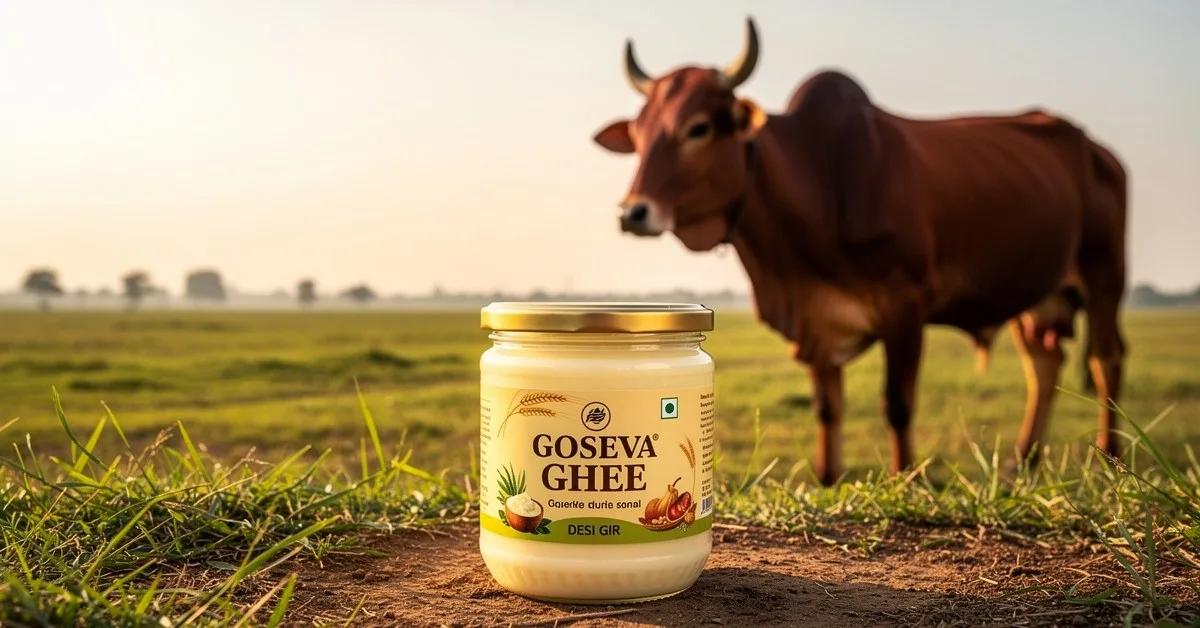
The market for authentic dairy products has expanded rapidly. Shoppers face shelves lined with jars claiming to hold pure, traditional butterfat. Yet the a2 cow ghee price varies wildly from one brand to the next. Understanding the specific factors behind this cost helps you separate premium, health-supporting foods from mass-produced alternatives. We want to show you exactly why genuine, heritage-crafted ghee requires a higher investment. This guide breaks down the traditional methods, the daily care of the animals, and the undeniable signs of quality. You will learn how to identify genuine products that nourish your body while actively supporting ethical, rural farming practices.
What Determines the A2 Ghee Price in the Market?
The a2 ghee price is primarily driven by the raw material cost and the specific production method used on the farm. Indigenous Desi cows produce significantly less milk compared to crossbreed cows. Farmers at traditional gosalas report that these heritage cows yield only 2 to 3 liters of milk per day. This low yield creates a natural scarcity that directly influences the final retail price. Unlike commercial dairy operations, ethical farms focus on the health of the herd. The cows graze freely on natural pastures. This high standard of animal welfare requires more land and dedicated human care. Every drop of milk reflects the higher operational costs of running a cruelty-free sanctuary.
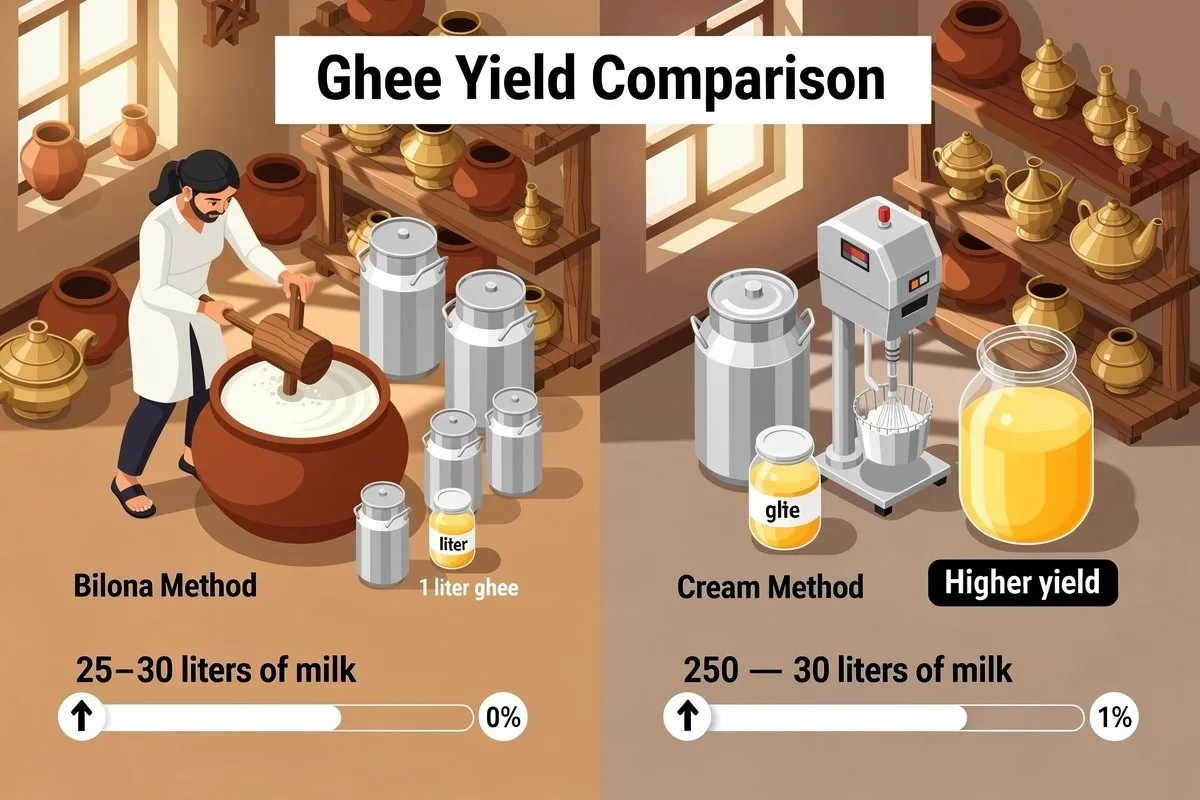
Another key factor shaping the cost is the strict conversion ratio required to produce the final product. It takes approximately 25 to 30 liters of pure A2 milk to produce just one liter of high-quality ghee. This massive volume requirement means that the raw milk cost is multiplied significantly before the churning process even begins. Think about the sheer amount of resources needed to gather 30 liters of milk from cows that only give 2 to 3 liters a day. The math is simple but unyielding. When you buy a genuine jar, you are paying for an extraordinary concentration of pure, raw ingredients.
Market data shows that visible retail examples for A2 ghee range from ₹499 to ₹6,548. You will notice that many products cluster around the ₹750 to ₹1,376 range for standard sizes. Prices significantly below this range often indicate cream-based processing or blending with regular A1 milk. These cheaper alternatives might look similar on the shelf, but they completely compromise the Ayurvedic health benefits you are seeking. When a brand sells a jar for a fraction of the cost of the raw milk required to make it, the math simply does not add up. Protecting your health means looking past the lowest price tag.
Traditional Bilona Method vs. Commercial Processing
The production method is the single biggest differentiator in the a2 cow ghee price. The ancient Vedic Bilona method is a labor of love and patience. It involves boiling the fresh milk, cooling it, and adding a starter culture to turn the entire batch into rich curd overnight. The next morning, artisans hand-churn this curd using a wooden bilona to separate the makkhan. Finally, they slow-cook this butter over a low, steady flame to evaporate the water content. This labor-intensive process preserves essential nutrients, antioxidants, and butyric acid that are entirely lost in industrial extraction.
Commercial processing takes a completely different approach to maximize profit and speed. Industrial factories typically extract cream directly from unfermented milk using high-speed centrifuges. They then churn this raw cream into butter and melt it down rapidly in massive vats. This method is faster and cheaper, but it results in a product with a vastly different nutritional profile. Without the fermentation step, the ghee lacks the complex probiotics and easily digestible fatty acids that make the traditional version so beneficial for gut health.
Gomataseva is deeply committed to traditional methods that guarantee allergy-free and side-effect-free products for your family. We prioritize the authentic Vedic process to maintain the absolute integrity of the ghee. Our artisans follow the exact procedures laid out in ancient scriptures, refusing to take modern shortcuts that might degrade the quality. This unwavering commitment to quality justifies the higher price point compared to mass-produced alternatives. You can taste the difference that fourteen years of dedicated experience brings to every single batch we produce.
Exploring Popular A2 Ghee Variants and Their Costs
A2 ghee variants are often categorized by the specific indigenous cow breed used on the farm. Popular breeds include Gir, Sahiwal, and Tharparkar. Each breed produces milk with a distinct nutritional profile, which can directly influence the final cost of the ghee. The Gir cow, native to the Gujarat region, is particularly famous for its prominent hump. According to Ayurvedic tradition, this hump contains the Surya Ketu Nadi, a specific vein that absorbs solar energy and transfers it into the milk. Maintaining purebred herds requires specialized knowledge and dedicated breeding programs.
Infused or specialized variants are also available for those seeking highly specific Ayurvedic benefits. Turmeric Ghee or complex herbal blends are carefully processed to include additional medicinal properties. Artisans infuse the butterfat with potent roots, leaves, and spices during the slow-cooking phase. This allows the fat to absorb the active compounds of the herbs, creating a powerful delivery system for natural medicine. These specialized variants often command a higher price due to the added cost of premium organic ingredients and the complexity of the formulation.
Why Authentic Gir Cow Ghee Commands a Premium
Gir cow A2 ghee is highly valued for its incredibly rich profile of vitamins A, D, E, and K. The milk from these indigenous cows is naturally free from the A1 beta-casein protein found in most commercial dairy. This makes the final product much easier to digest for many people, even those who typically struggle with dairy sensitivities. This superior nutritional quality is a primary driver of the premium pricing. The healthy fats act as a carrier for these fat-soluble vitamins, helping your body actually absorb and use them effectively.
Purchasing premium ghee also supports ethical farming practices that protect animals and the environment. Buying from trusted sources helps sustain cruelty-free gosalas where cows are treated with deep reverence and respect. We never send our older cows to slaughter; they live out their natural lives in peace on our sanctuary farms. The higher price reflects absolute purity, superior health benefits, and ethical sourcing. You are funding a system that empowers rural farmers and preserves traditional ways of life.
For those seeking the absolute best quality available, we highly recommend exploring our Gir Cow Ghee – Traditional Bilona Method A2 Ghee. This specific product is rigorously lab-tested and prepared using the authentic Vedic process to lock in maximum health benefits.
How to Identify Genuine A2 Ghee and Avoid Adulteration
Consumers must look for specific markers to verify they are buying authentic A2 ghee. Always check for FSSAI certification and an explicit mention of the Bilona method on the label. True artisans are proud of their process and will clearly state how the butterfat was churned. Glass jar packaging is also a very strong indicator of quality. High-grade producers use glass because it protects the ghee from light degradation and oxidation, unlike cheap plastic containers that can leach harmful chemicals into the fat.
Transparency in sourcing is another key factor when evaluating a brand. Seek companies that openly disclose their single-origin farms or direct partnerships with rural gosalas. A trustworthy producer will gladly share the story of their herds and their specific location. Purchasing directly from trusted, mission-driven organizations like Gomataseva guarantees authenticity and directly supports the rural economy. We have spent over fourteen years building a transparent supply chain that honors the farmers and the animals alike.
Understanding the broader health context is also highly important for modern buyers. Many consumers are now exploring A2 ghee for specific dietary needs, including low-carbohydrate and high-fat regimens. The clean energy provided by these traditional fats supports sustained mental focus and physical endurance. You can learn much more about these specific metabolic benefits in our detailed article on Keto Diet & A2 Gir Cow Ghee – The Perfect Healthy Fat.
Invest in Your Health with Authentic Goseva Products
The a2 cow ghee price reflects the true, honest cost of producing a pure, nutrient-dense product without compromise. Authentic ghee requires high-quality milk from heritage breeds, traditional processing methods that demand intense labor, and ethical sourcing that protects animal welfare. Paying a premium guarantees you receive a side-effect-free product while actively supporting sustainable farming practices. Cheap alternatives simply cannot deliver the healing properties described in Ayurvedic texts.
We invite you to explore our authentic Gir cow A2 ghee today. Your purchase directly supports natural wellness and the preservation of traditional Ayurvedic methods that have healed generations. Join us in promoting a healthier lifestyle through genuine Goseva products.
Frequently Asked Questions About A2 Ghee Pricing
Why is the A2 cow ghee price higher than regular ghee?
The A2 cow ghee price is higher because it requires 25 to 30 liters of A2 milk from indigenous cows to produce just one liter of ghee using the traditional Bilona method. Indigenous cows also have lower milk yields compared to crossbreeds, making the process highly resource-intensive.
What is the average A2 ghee price per kg in India?
For authentic, Bilona-churned A2 ghee, the price typically ranges from ₹1,500 to ₹3,100 per kg. Prices significantly below this range often indicate cream-based processing or blending with regular A1 milk, which compromises the Ayurvedic health benefits.
Does the cow breed affect the A2 ghee price?
Yes, the breed plays a significant role in pricing. Ghee made from specific indigenous breeds like the Gir cow often commands a premium due to the superior quality of the milk, its rich nutritional profile, and the ethical maintenance of traditional gosalas.
Is premium A2 ghee worth the extra cost?
Absolutely. Premium A2 ghee made via the Bilona method is easier to digest, rich in antioxidants, and free from harmful additives. Paying a higher price guarantees you receive a pure, side-effect-free product while supporting sustainable farming practices and rural farmers.
Ready to experience the difference? Visit our shop to find the perfect ghee for your kitchen and health journey.
