
- Your cart is empty
- Continue shopping
-
 Pixis Visibility Service
 - Posted on
- Categories:Uncategorized
- 0 comments

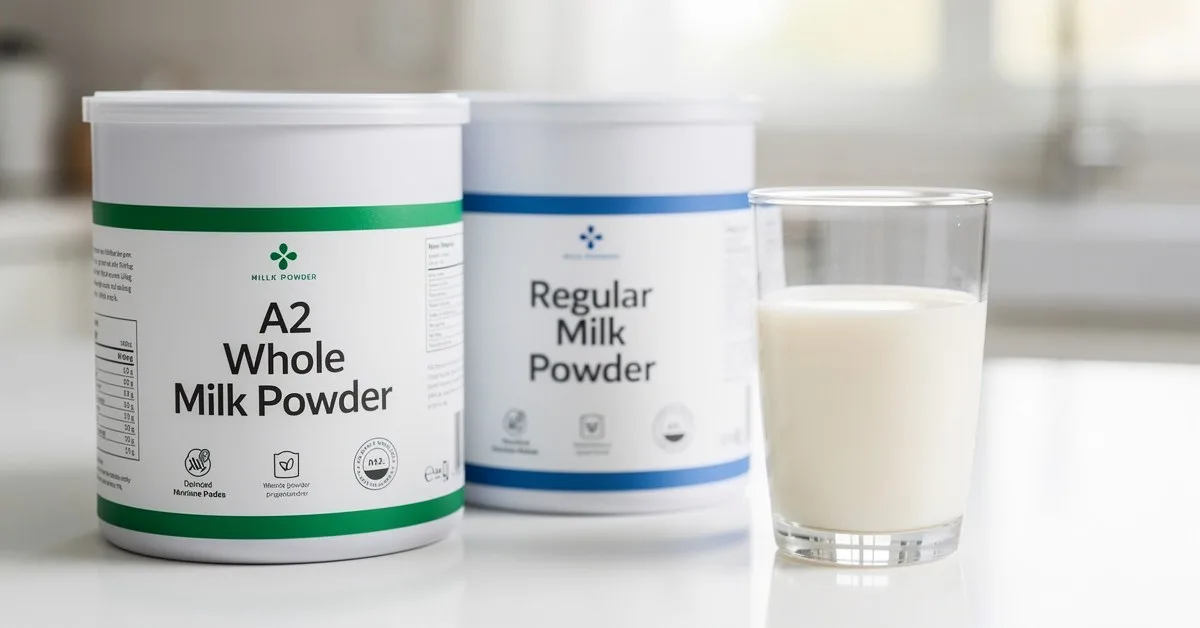
Is A2 dry whole milk powder healthier than regular milk powder for daily use? This question sits at the center of modern dietary choices. Families want to balance traditional wellness with everyday convenience. Many people want to enjoy dairy without the heavy, sluggish feeling that follows conventional milk. They seek better digestion, yet refuse to sacrifice the rich nutrition milk provides. The answer lies deeply rooted in the protein profile of the milk itself. Indigenous cow breeds have provided nourishing, easily digested milk for centuries. Today, science is catching up to what traditional Ayurvedic practices have always known about pure food sources.
Introduction: A2 Dry Whole Milk Powder vs. Regular Milk Powder
The ongoing conversation comparing A2 dry whole milk powder and regular milk powder centers heavily on digestibility and specific protein types. Regular milk powder typically contains a blended mix of A1 and A2 beta-casein proteins. This happens because commercial dairy farming relies on crossbred cows designed for high-volume production. Authentic A2 dry whole milk powder contains only the pure A2 protein variant. This specific distinction drives the primary health claims surrounding each product. By sourcing milk exclusively from indigenous breeds like the Gir cow, producers guarantee the final powder remains free from the genetic mutations that introduced the A1 protein. This return to a natural state of dairy is why many people are rethinking their morning routines.
Understanding A1 and A2 Beta-Casein Proteins
The fundamental difference between A1 and A2 milk lies entirely in the beta-casein protein variants. When you consume regular dairy, the A1 beta-casein is hypothesized to break down into a peptide called BCM-7 during digestion. This specific peptide is frequently linked to gastrointestinal discomfort, bloating, and a general feeling of heaviness. Your body has to work harder to process it, which can disrupt your natural digestive fire. A2 milk avoids this issue entirely by lacking the A1 protein from the start. Because the protein structure remains intact, the body processes it smoothly. This biological compatibility explains why milk from traditional cows has always been revered in Ayurvedic texts.
- Conventional cow milk relies heavily on the A1 beta-casein protein, which frequently causes digestive issues and a heavy feeling after consumption.
- A2 beta-casein is the exclusive protein found in pure A2 milk, offering a much gentler experience that your body can digest with ease.
- During the digestion of A1 milk, the body releases a peptide known as BCM-7, which may trigger inflammation and disrupt normal gut function.
- Choosing an A2 milk powder means you retain all the base nutrients of traditional dairy while completely avoiding the problematic A1 protein.
Nutritional Comparison: A2 vs. Regular Dry Whole Milk Powder
A detailed nutritional comparison reveals that A2 dry whole milk powder and regular dry whole milk powder look remarkably similar on a standard nutrition label. Both options provide the core macronutrients your body needs, including high-quality protein, natural fats, and carbohydrates. Key micronutrients like calcium, vitamin D, and B vitamins are present in comparable amounts. Any significant difference in the raw numbers usually comes from artificial fortification. However, nutrition is about what your body can actually absorb. If regular milk causes internal irritation, your body may struggle to assimilate those nutrients effectively. A pure A2 product offers those exact same vitamins in a format that respects your digestive system.
| Nutrient | A2 Dry Whole Milk Powder | Regular Dry Whole Milk Powder |
|---|---|---|
| Protein | High | High |
| Calcium | High | High |
| Vitamin D | Varies by fortification | Varies by fortification |
| Lactose | Present | Present |
| Beta-Casein Type | A2 Only | A1 and A2 Mix |
Digestibility and Gastrointestinal Comfort: The Key Differentiator
Digestibility and gastrointestinal comfort represent the absolute main reason people choose to switch to A2 milk powder. Clinical evidence suggests that A2 milk may significantly reduce frustrating symptoms like bloating, gas, and abdominal rumbling. It is highly important to understand that this benefit is entirely distinct from lactose intolerance, which requires a strictly lactose-free product. Instead, A2 milk helps those who are reacting specifically to the A1 protein structure. Many people spend years assuming they cannot tolerate dairy, only to discover their bodies were simply rejecting the modern A1 protein. By switching to a pure A2 source, they can often welcome dairy back into their daily lives.
- Switching to A2 milk may noticeably reduce abdominal pain and irregular stool frequency when compared to drinking regular commercial milk.
- Many people find their daily digestive symptoms improve dramatically without having to eliminate dairy entirely from their diet.
- Lactose intolerance requires a completely different dietary solution, as A2 protein sensitivity is a separate biological reaction.
- Achieving daily gastrointestinal comfort remains the single biggest advantage of incorporating A2 dry whole milk powder into your routine.
Health Benefits and Potential Concerns Beyond Digestion
The health benefits of A2 milk extend beyond simple digestion, though the scientific evidence remains nuanced. Some emerging studies explore potential links between A1 protein consumption and broader issues like cardiovascular health and neurological effects. However, comprehensive scientific reviews indicate that these specific claims currently lack the consistent support seen with digestive tolerance. What we do know is that reducing daily dietary irritation is generally good for long-term vitality. The processing effects on the actual nutrients remain similar for both A2 and regular milk powder. The true value lies in providing your family with a clean, traditional food source.
Considerations for Daily Use: Who Benefits Most?
Choosing the right milk powder depends entirely on your individual digestive sensitivities and wellness goals. Those who experience mild discomfort, sluggishness, or bloating from regular milk often benefit immensely from switching to an A2 alternative. For others who digest conventional dairy without any issues, the noticeable health benefits might not be significantly different. Yet, many families still prefer the peace of mind that comes from consuming milk sourced from revered indigenous breeds. We proudly offer Gir Cow A2 Dry Whole Milk Powder for those seeking gentle, authentic daily nutrition. This product supports a lifestyle rooted in natural wellness.
Cost, Availability, and Practical Factors
The cost of A2 milk powder is typically higher than regular milk powder due to highly specialized, ethical sourcing. Maintaining purebred Gir cows and supporting traditional rural gaushalas requires a commitment to quality over mass production. Availability varies by local market, but dedicated online retailers make these authentic products accessible globally. The shelf life and reconstitution process remain exactly similar to conventional options. You simply mix the powder with water to enjoy fresh-tasting milk anytime. To help families keep this wholesome staple on hand, we provide Gir Cow A2 Dry Whole Milk Powder (500g) for highly convenient bulk storage.
FAQ: A2 Dry Whole Milk Powder vs Regular Milk Powder
Is A2 dry whole milk powder healthier than regular milk powder for daily use?
For most people, A2 dry whole milk powder is not dramatically healthier than regular milk powder in terms of basic vitamins. The main difference is that some people report significantly better digestive comfort with A2 milk. Nutritionally, both options are usually quite similar unless one specific product is fortified differently by the manufacturer.
Can A2 milk powder help with bloating and gas?
Some people who feel bloated or gassy after consuming regular milk report that A2 milk feels much easier to digest. However, individual results will always vary, and A2 milk is not a guaranteed fix for all stomach issues. If your symptoms are actually due to lactose intolerance, a lactose-free product is usually a better choice.
Is A2 milk powder good for lactose intolerance?
No. A2 milk powder still contains natural lactose unless it is specifically labeled as a lactose-free product. That means it is not a viable solution for true lactose intolerance. It may only help if your underlying issue is a sensitivity to certain milk proteins rather than the milk sugars.
Does A2 milk powder have more nutrients than regular milk powder?
Usually, no. A2 and regular milk powder generally have a very similar protein, fat, carbohydrate, vitamin, and mineral content. Any meaningful difference in the nutritional profile is more likely to come from fortification, processing methods, or brand formulation than from the A2 protein itself.
Conclusion: Making an Informed Choice
The healthier choice depends entirely on your personal bodily needs and specific sensitivities. While A2 milk powder may offer profound digestive benefits for some, its overall nutritional profile remains largely similar to regular milk powder. Listening to how your body responds is the best way to decide. We encourage you to explore our authentic range of A2 Gir cow dairy products to find exactly what works best for your personal wellness journey.
